
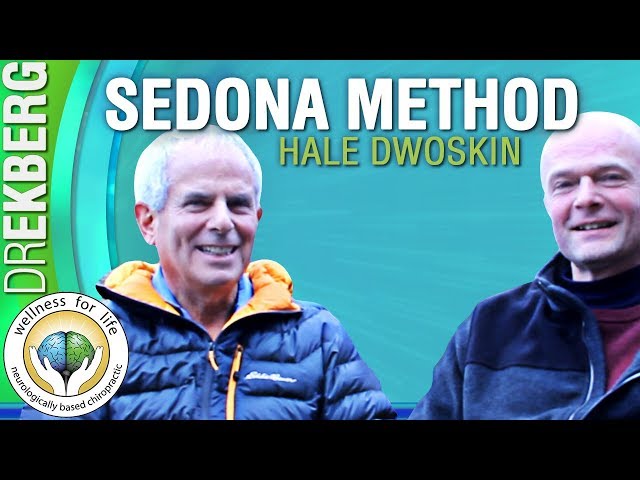


Alright, let’s cut straight to it: If you’ve ever heard about letting go or stumbled across Hale Dwoskin’s Sedona Method in your desperate quest to shake off stress (haven’t we all?), you’ve probably wondered… what’s it actually like to jump into the real-deal Facilitator Training? Can the Sedona Method – Facilitator Training 2019 turn you into someone who helps others hit their own release button? Or is it just another personal development rabbit hole?
Over the next few thousand words, I’m holding nothing back. I’ve sifted through course modules, swapped stories with real facilitators, and thrown myself into those infamous “deep dives.” (Sidebar: I still sometimes get emotional flashbacks from some group calls – in a good way.). So grab your beverage of choice, get comfy, and let’s unravel whether this program delivers the certifications, and the personal shift, it promises. The spoilers? There’s no pretending here, only what works, what stings, and what I’d wished someone had told me before spending stacks of hard-earned cash.
Let’s start at the beginning…
What really makes Sedona Method unique?
Got questions, stories, or haunted by your own group call flashbacks? Drop a comment below, or shoot me a note. Let’s trade notes, this is how we grow.
Key Takeaways
-
- The Sedona Method – Facilitator Training 2019 offers rigorous, hands-on certification guided by Hale Dwoskin, focusing on real-time emotional release facilitation.
-
- Participants undergo intensive training with live sessions, practical peer work, and honest feedback, ensuring the Sedona Method skills are truly embodied.
-
- Certification is earned through demonstration, assessments, and ethical practice—making the credential meaningful in the coaching world.
-
- A supportive community, active alumni network, and deep personal transformation are standout strengths of the Sedona Method training.
-
- The program requires substantial time, emotional effort, and financial investment, suiting those committed to genuine growth and helping others let go.
Program Overview and Key Details
If you’re looking for the cliff-notes: The Sedona Method – Facilitator Training 2019, led by Hale Dwoskin himself, is a comprehensive certification program designed to teach you how to help others let go of emotional baggage the “Sedona way.” Think of it as a release bootcamp, except the heavy lifting is in your head, not your gym shorts. Key facts at a glance:-
- Official Title: Sedona Method Facilitator Training 2019
-
- Lead Facilitator: Hale Dwoskin (yes, “the” guy from The Secret)
-
- Format: Blended – live classes (Zoom/teleconference) with self-paced learning
-
- Length: About 6 months, give or take, with a mix of theory, practice, and peer sessions
-
- Certification: Yes – but you’ve got to earn it (no rubber-stamp certificates, thankfully)
-
- Price Tag: Not cheap (expect a price tag that stings a little, think in the $3,000–$5,000 ballpark depending on payment plans)
Training Structure and Curriculum
Let’s break down what’s behind the curtain. The curriculum here isn’t just repackaged self-help platitudes. From the start, Hale and his team make it crystal clear: this isn’t about reading a script to clients. You’re trained to hold space, ask the kind of questions that make people really pause, and then guide them gently (or, honestly, sometimes not so gently) into letting go. So what’s served up in the modules? You’ll get:-
- Fundamentals of the Sedona Method: Learning to explain and embody the letting go process
-
- Facilitation Practice: You’ll run real sessions. (Yes, with actual humans. Yes, with all the awkward silences and breakthroughs that come with it.)
-
- Advanced Releasing: Here’s where you get into the subtle stuff, spotting resistance, working with stubborn emotions, and those “I thought I’d let that go years ago.” moments
-
- Ethical Practice and Boundaries: They really, really hammer home client safety, emotional ethics, and staying out of “diagnosis zone”
-
- Peer Groups & Live Practicums: These were surprisingly intense. Lots of feedback, lots of support, sometimes a little too real, but always authentic
Evaluation Criteria
Let’s be real: I have a soft spot for programs that don’t just rubber-stamp everyone who pays up. (Flashback to that online certificate I snagged in 2016… zero follow-up, zero skills gained.) Here’s how Sedona Method Facilitator Training keeps things rigorous, and, yes, a little nerve-wracking at times:-
- Demonstration Sessions: Personally, these were the sweatiest part, think real-time coaching with a mentor watching. No pressure.
-
- Peer and Self-Assessments: You and your practice partners grade each other (honestly), so if you’re phoning it in, you will hear about it.
-
- Written Reflections and Logs: They want you reflecting on each session you help, what worked, where you stumbled, what you’d do differently next time.
-
- Ethics and Safety Quizzes: You can’t fudge these. If you miss the mark, you’re nudged back for a refresher (which, speaking from awkward experience, you’ll appreciate down the road.)
Instructional Quality and Methods
Let’s talk vibe. Because anyone can make a fancy course platform, but only a handful actually make you feel seen. Hale delivers with this weird mix of gentle Zen master and your favorite wise (but cheeky) uncle. The pedagogy? Relatable, yet packed with decades of experience. And the live calls are rarely the sterile, camera-off affairs you might expect: they’re interactive and, honestly, can get kind of delightfully uncomfortable. People share deep stuff, and Hale somehow keeps it safe and spacious. (There was this one session where someone cried, we all held space, and Hale dropped something poetic, I felt like I was at an emotional TED Talk.) What’s not always fun: the occasional tech hiccups. One memorable group call featured a surprise dog barking symphony, at least it kept things human. How do they teach?-
- Mixture of prerecorded and live sessions
-
- Breakout rooms for actual practice (not just roleplay, real emotion)
-
- Super actionable feedback loops
-
- Emphasis on humility, listening, and not “fixing” (trust me, that’s hard for us eager beavers)
Participant Experience and Community
Let’s get cozy for a sec, because it’s the people you meet here who make the Sedona Method Facilitator Training 2019 wildly memorable. The crowd: You get new-to-the-scene coaches, corporate folks craving deeper conversations, and, yes, a handful of seasoned therapists looking to sprinkle new tools into their practice. There’s a real chemistry, sometimes you bond with strangers who “get it” faster than your own family. (One of my closest post-pandemic friends? We met during a messy, late-night peer practice session. You know who you are, Jamie.) Community Life:-
- Weekly calls become a highlight, you’ll look forward to it, even on gloomy Mondays
-
- There’s a lively private forum (Slack-style vibe), where people post breakthroughs, rants, or the occasional gif-battle (don’t ask, just join)
-
- Peer groups form little pods, and the best feedback comes from the people who aren’t afraid to say, “Uhh, you kinda bulldozed me there, try that again.”
-
- Alumni network for the win: I’ve gotten “support check-ins” from facilitators months after I graduated. Zero upsell, just “hey, how are you?”
Effectiveness and Outcomes
You want results? Here’s the honest story. If you do the work, you’ll walk away from this training knowing how to help release in others, and probably yourself, too. I’ve seen participants transform from tongue-tied (and slightly terrified) to calm, confident space-holders. Think of it less as a graduation and more like getting a toolkit for actual, messy, glorious human growth. My after: I started helping friends work through old emotional patterns, sometimes it was awkward, often game-changing. Clients, meanwhile, have reported everything from finally speaking up at work to feeling lighter about family drama. Not everyone wants to go pro (some do it for their personal toolkit). But the shift is unmistakable. Common outcomes reported (in real human words):-
- Feeling “lighter,” “more genuine,” or finally “at home in their own skin”
-
- Ability to help, not just talk about, real emotional change in others
-
- A knack for handling highly emotional conversations (even family dinners… yep, I went there)
-
- An actual network of fellow practitioners to check in with when you’re stuck
Strengths and Limitations
Every rose, as my grandmother used to say, has its thorns. Here’s the nitty-gritty, no-rose-colored-glasses summary. Strengths:-
- Unmatched depth and practicality, not just theory
-
- Genuine, engaged teaching (Hale isn’t phoning it in)
-
- A built-in network for support, venting, and accountability
-
- Certification that means something (rare enough in the coaching world.)
-
- Cost: Yeah, it hurts (especially up front)
-
- The emotional load: This ain’t a sunshine-and-rainbows certification. It’ll dig up your own baggage, guaranteed
-
- Sometimes the language can wander into a bit of “Sedona speak” (if you’re allergic to self-help lingo, brace yourself)
-
- Time-intensive, if you’re juggling three jobs and a family, good luck keeping up
Comparison with Other Release and Coaching Certifications
Let’s play a little game of “How does it stack up?” Because, let’s be honest, you’ve probably peeked at other programs, maybe Release Technique, The Work of Byron Katie, or the usual ICF coaching tracks, right? Here’s a quick bite-sized comparison:| Program | Length | Focus | Cost Range | Certification Rigor |
|---|---|---|---|---|
| Sedona Method Facilitator (2019) | ~6 months | Emotional release + facil. | $3K–$5K | HIGH (lots of live demos) |
| Release Technique (RT) | ~3–4 mos | Personal release | $2K–$4K | MODERATE |
| The Work (Katie) | Varies | Thought inquiry/process | $1.5K–$4K | MODERATE |
| ICF Life Coach Cert | 6–12 mos | Coaching skills | $4K–$10K | HIGH (full competencies) |
-
- The emphasis on facilitating (not just self-help)
-
- The community, it’s tight, and not as corporate-feeling
-
- Live demos and feedback that actually improve your skills, not just tick a credential box
Who This Program Is Best For
Picture yourself for a second:-
- Are you drawn to real emotional work (the messy, sometimes teary kind)?
-
- Do you crave the skills to help others let go, not just chit-chat about “healing”?
-
- Are you already coaching or supporting others but want to add depth?
-
- Coaches and counselors who want next-level release skills
-
- Leaders at work who want to handle emotional stuff more gracefully
-
- Personal growth junkies who aren’t scared to dig into their own patterns
-
- Anyone burned out on “quick fix” personal development
-
- Hate emotional discomfort
-
- Want fast-tracked, surface-level certification
-
- Need a totally hands-off, go-at-your-own-pace program (you will need to show up.)
Final Verdict and Recommendation
So, here’s the bottom line, no fluff, no guru-speak. The Sedona Method – Facilitator Training 2019 is (drumroll, please)… the real deal for folks who are genuinely ready to work on themselves and help others let go of what’s weighing them down. You could drop cash on a dozen self-help books or yet another “fast-track” credential… but this? This program is a game-changer if you immerse wholeheartedly. It has its quirks (and, okay, price tag sticker shock), but if you’re looking for depth, real skill-building, and a community that cares, you’ll find it here. Just know, it’s not for the faint-hearted, and you will find yourself in the hot seat (sometimes literally). But isn’t that the entire point of growth? Want to know more or see if you’ll fit? Reach out, ask for sample materials, or chat up a graduate. Doing your assignments pays off, and hey, maybe we’ll see each other in a future group call. Bring tissues, snacks, and an open mind. Your next chapter’s waiting. The real question is: What are you willing to let go of next?Got questions, stories, or haunted by your own group call flashbacks? Drop a comment below, or shoot me a note. Let’s trade notes, this is how we grow.
Frequently Asked Questions about Sedona Method Facilitator Training 2019
What is the Sedona Method – Facilitator Training 2019 and who leads it?
The Sedona Method – Facilitator Training 2019 is a comprehensive certification program designed to teach individuals how to facilitate emotional release using the Sedona Method. The training is led by Hale Dwoskin, known from ‘The Secret,’ and features a blend of live and self-paced learning.What does the Sedona Method Facilitator Training curriculum cover?
The curriculum includes fundamentals of the Sedona Method, practical session facilitation, advanced releasing techniques, ethical practices, and plenty of live peer sessions. Participants engage in real-time feedback, group discussions, and reflection exercises to ensure skill development.How long does the facilitator training take, and what is the cost?
The Sedona Method Facilitator Training typically takes about six months to complete. The cost ranges between $3,000 and $5,000, depending on payment plans. The program includes digital materials, live sessions, and ongoing support throughout the course.What makes the Sedona Method Facilitator Training different from other coaching certifications?
Unlike many coaching certifications, Sedona Method training focuses deeply on emotional release facilitation, values live, honest feedback, and builds a supportive community. The certification is rigorous, requiring real application and participation, setting it apart from more generic or fast-tracked programs.Who is best suited for Sedona Method – Facilitator Training 2019?
This training is ideal for coaches, counselors, leaders, and personal growth enthusiasts who want to deepen their emotional facilitation skills. It’s especially suited for those ready to engage in honest, sometimes challenging, self-work and help others genuinely let go of emotional baggage.Can the Sedona Method help with stress and emotional baggage even if I don’t plan to become a professional facilitator?
Yes, many participants use the Sedona Method for personal growth. The techniques can help anyone seeking to manage stress, release emotional patterns, and improve their relationships. The facilitator training offers tools that benefit personal life as much as professional practice.Be the first to review “Hale Dwoskin – Sedona Method – Facilitator Training 2019”
Related products
Sale!

Business Courses
Original price was: $999.00.$15.00Current price is: $15.00.
Sale!

Business Courses
Original price was: $497.00.$25.00Current price is: $25.00.
Sale!

Business Courses
Original price was: $497.00.$25.00Current price is: $25.00.
Sale!

Business Courses
Original price was: $997.00.$75.00Current price is: $75.00.
Sale!
Business Courses
Jason Derulo and Kathleen Cameron – Million Dollar Mentality
Original price was: $497.00.$40.00Current price is: $40.00.
Sale!

Business Courses
Original price was: $97.00.$20.00Current price is: $20.00.
Sale!

Business Courses
Original price was: $997.00.$70.00Current price is: $70.00.
Sale!
Business Courses
Original price was: $497.00.$27.00Current price is: $27.00.
Reviews
There are no reviews yet.